
Women's Health World Conference 2026
Speakers - 2026
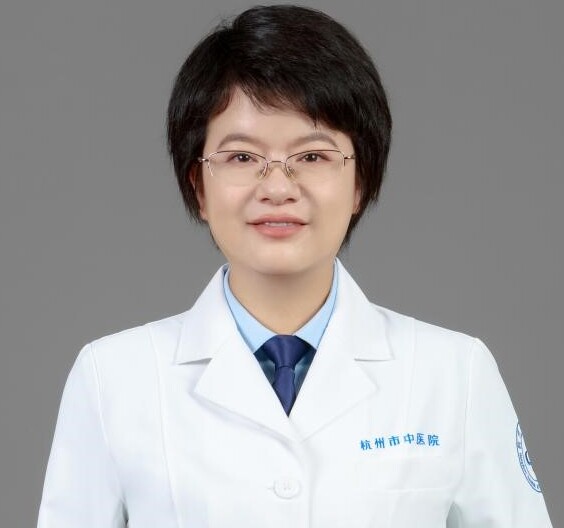
Ma Jing
Ma Jing
- Designation: Hangzhou Traditional Chinese Medicine Hospital
- Country: China
- Title: Rutin Attenuates Oocyte Deterioration in Primary Ovarian Insufficiency via Inhibition of Gasdermin D Induced Pyroptosis and Promotion of Mitophagy
Abstract
Background: Primary ovarian insufficiency (POI) is characterized by ovarian dysfunction before age 40, yet effective treatments remain limited.Rutin, a natural flavonoid with antioxidative properties, shows potential in mitigating oxidative stress and pyroptosis, but its role in POI remains unclear.
Purpose: This study aimed to investigate rutin’s therapeutic effects on POI and elucidate its potential mechanisms.
Study design and methods: Female C57BL/6 mice were divided into control, POI model, N-acetylcysteine (NAC), and low/high-dose rutin groups. The ovarian function, oocyte quality, and molecular changes were assessed using histopathology, ELISA, and western blotting. In vitro, GV-stage oocytes were exposed to 4-hydroperoxycyclophosphamide (4-HC) and treated with rutin, followed by evaluation of spindle formation, mitochondrial function, and oxidative stress markers.
Results: Rutin treatment reduced hair loss and weight loss in POI mice, increased litter size and follicle growth, and enhanced the developmental potential of fertilized eggs. Rutin also improved estrous cycle disorders and endocrine levels. Additionally, rutin enhanced mitochondrial membrane potential and structure and upregulated ovarian HO-1 and Nrf2 proteins, lowered ROS levels in oocytes, and suppressed NLRP3 inflammasome activity. Furthermore, rutin increased ovulation numbers and oocyte quality by improving mitochondrial function and inducing mitophagy. In vitro, rutin reversed 4-HC-induced oocyte developmental block and mitochondrial dysfunction, increased antioxidant factors (HO-1 and Nrf2), activated mitophagy, and inhibited pyroptosis.
Conclusion: The present study showed that rutin ameliorates POI by enhancing mitochondrial function through mitophagy activation and inhibiting pyroptosis via NLRP3/GSDMD suppression. These findings highlight its potential for clinical application in improving ovarian function and fertility outcomes in POI patients.
Women’s Health World Conference (WHWC 2026): From Research to Reality: Transforming Women’s Health
-
...
Read More>>
Organizer
